By Ify Anyaegbu (Ifunanya means Love)
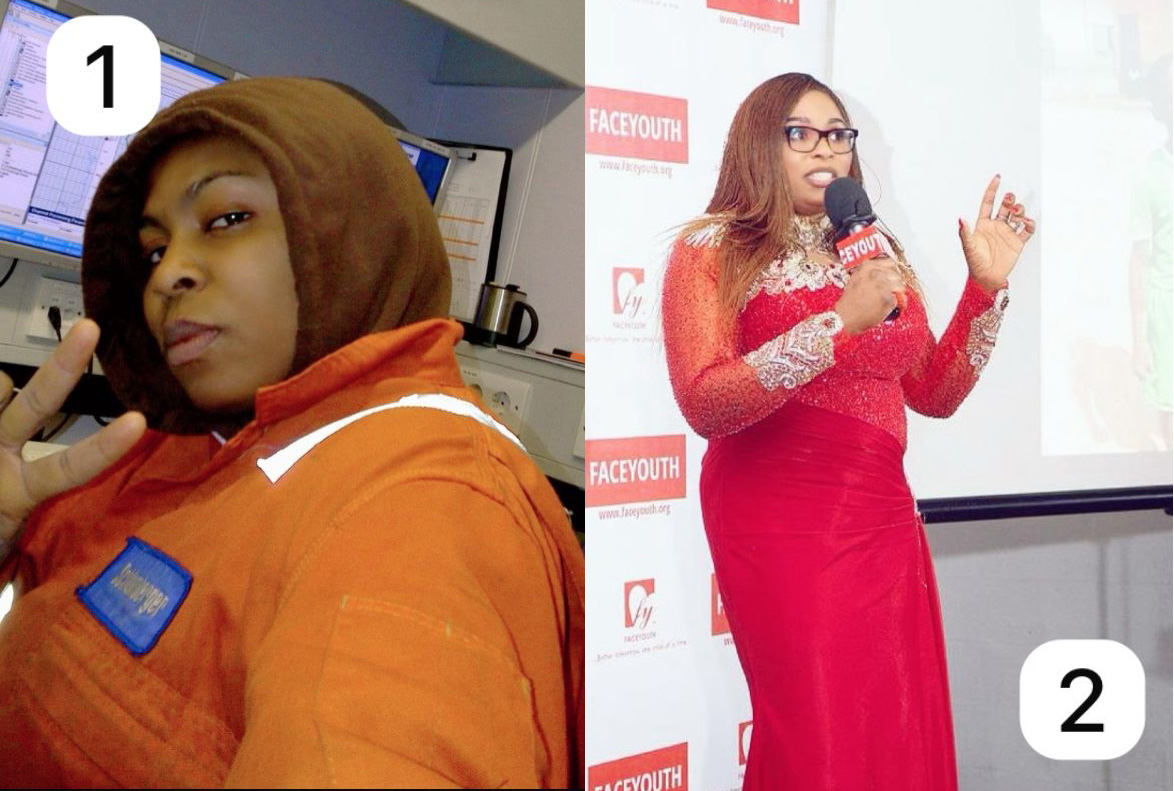
My name is Ify Anyaegbu. I am an Engineering Commercial Manager, Humanitarian advocate, and Founder of FACEYOUTH, a charity supporting disadvantaged/Marginalised children and young people through mental health initiatives, education, mentorship, and community support.
But before any titles, leadership roles, or achievements, I was simply a young Nigerian woman with a dream, a suitcase, and a deep determination to create a better future.
I was born in Enugu, Nigeria, and raised in a home that valued integrity, education, resilience, and service to others. Growing up, I believed wholeheartedly that no matter where you came from, your dreams were valid. My parents taught me that success was never just about personal achievement; it was about lifting others as you rise.
That belief would later shape the entire mission of FACEYOUTH.
From 34°C to -4°C
In 2009, I moved from the warmth of Lagos to the freezing cold of Aberdeen, Scotland, to work in the oil and gas industry as an expatriate engineer.
Nothing could have prepared me for that first winter.
One moment, I was leaving behind 34°C sunshine and familiar surroundings. The next, I stepped into -4°C snow, trying to understand how people could function in weather that cold. I still remember someone casually telling me I would need to walk to the train station to get to the office in Dyce.
Walk? In this weather?
I genuinely thought it was a joke.
I wanted to get back on the next flight home.
But beneath the humour and culture shock was something much deeper that many immigrants quietly experience: loneliness and isolation.
I had achieved what many people would call a dream job, yet internally I was struggling. The pressure of adapting to a new culture while trying to excel in a highly demanding industry took a significant toll on my mental health. I was battling anxiety, isolation, and emotional exhaustion in silence.
Back then, conversations around mental health were still heavily stigmatised in many African communities. You didn’t openly admit you were struggling. Vulnerability felt dangerous. In the high-pressure corporate environment I worked in, I also feared being perceived as weak.
So I kept going.
Smiling externally.
Breaking internally.
The Community That Saved Me
One of the turning points in my life came through something simple: community.
A Catholic priest I opened up to about my struggles, Fr. Keith, encouraged me to join the African church community in Aberdeen. That invitation changed everything.
For the first time since arriving in Scotland, I felt seen.
I found people who understood the emotional weight of leaving home. People who understood the balancing act of trying to succeed while quietly carrying homesickness, identity struggles, financial pressure, and cultural adjustment.
That community became my safe space.
It reminded me that healing often begins when people feel like they belong.
Years later, I still reflect on how one simple act of kindness transformed my journey. It taught me that support systems save lives, and that no one should have to struggle alone.
Over the years, I also witnessed the incredible ripple effect that community and connection can create. What started as a simple family visit eventually became a blessing for many others. My cousin, Fr. James, visited me from Nigeria during his annual leave and attended Mass with me in Aberdeen. Not long afterwards, conversations began that eventually led to him returning for missionary work in Scotland. In the years that followed, more priests from his diocese joined the Aberdeen Diocese, bringing spiritual guidance, cultural understanding, and support to many African families and wider communities adjusting to life far from home.
It reminded me that sometimes the smallest acts of hospitality, encouragement, or connection can create impact far beyond what we initially imagine.
That lesson would later become the foundation of FACEYOUTH. I often found myself thinking: if isolation, anxiety, and loneliness could affect me so deeply as an adult, how much more would children and young people be impacted, especially those trying to navigate life without strong support systems, safe spaces, or trusted people to turn to?
It was a question that stayed with me for years and eventually became part of the driving force behind the work we do today.
Success Without Support Still Feels Empty
Over time, I adapted. I persevered through offshore work, intense industry pressures, harsh winters, and the many invisible battles that immigrants often carry privately.
I grew professionally and eventually became an Engineering Manager.
But even as my career progressed, something continued to trouble me deeply.
I began noticing how many children and young people, especially from ethnic minority and disadvantaged backgrounds, were growing up isolated. Many lacked the support systems many of us once relied on back home: extended family, aunties, uncles, cousins, neighbours, community(THE VILLAGE THAT IT TAKES TO RAISE A CHILD).
Some young people were silently battling anxiety, depression, bullying, identity struggles, poverty, and loneliness with nobody to talk to.
Others were spending holidays alone indoors while parents worked long hours trying to survive.
During the COVID-19 pandemic, those realities became even more visible.
I saw young people losing confidence.
Families struggling quietly.
Children carrying burdens far too heavy for their age.
And I kept thinking:
“What if they had the kind of community that helped save me?”
That question changed my life forever.
Why FACEYOUTH Was Born
FACEYOUTH was born from pain, purpose, and the belief that every child deserves to feel seen, valued, supported, and hopeful.
Not just the privileged.
Not just the well-connected.
Every child.
I did not start FACEYOUTH because I had excess money, unlimited resources, or everything figured out.
I started because I could no longer ignore the need.
There were moments people discouraged me.
Moments people doubted the vision.
Moments the financial pressure felt overwhelming.
But purpose has a way of refusing to let you stay comfortable.
So I kept going.
I self-funded what I could.
I sacrificed sleep.
I balanced engineering work with community work.
I showed up even when exhausted.
Because somewhere out there was a young person who needed hope.
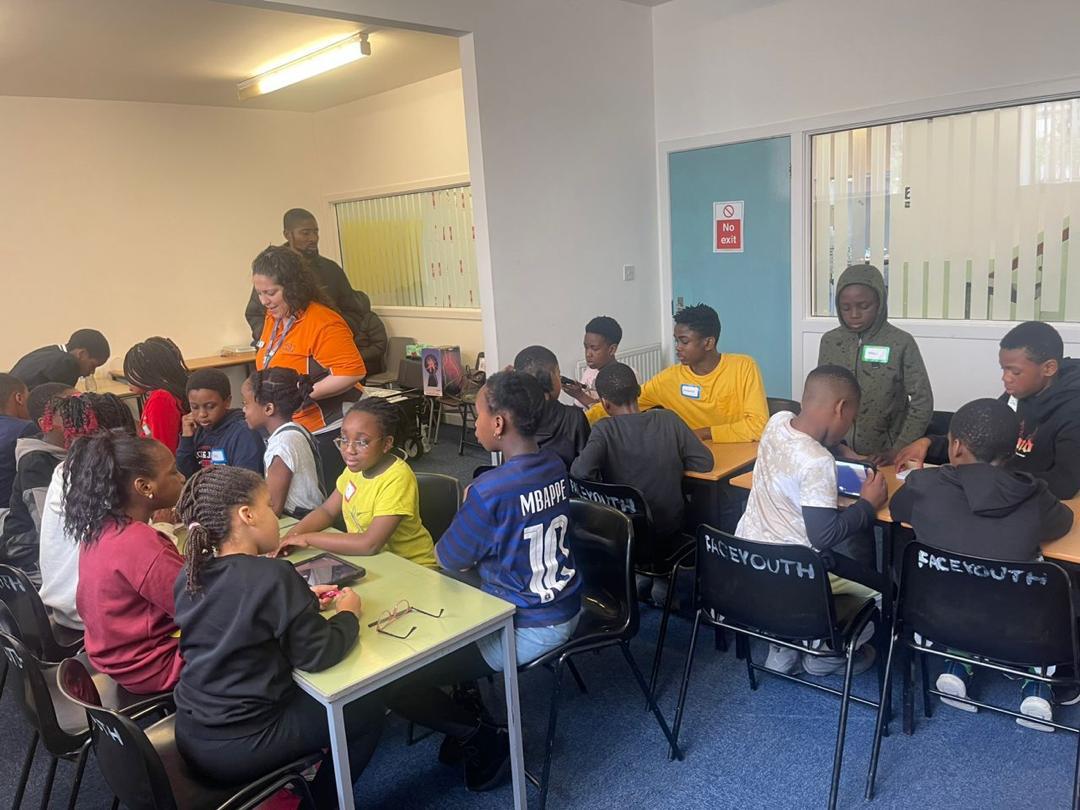
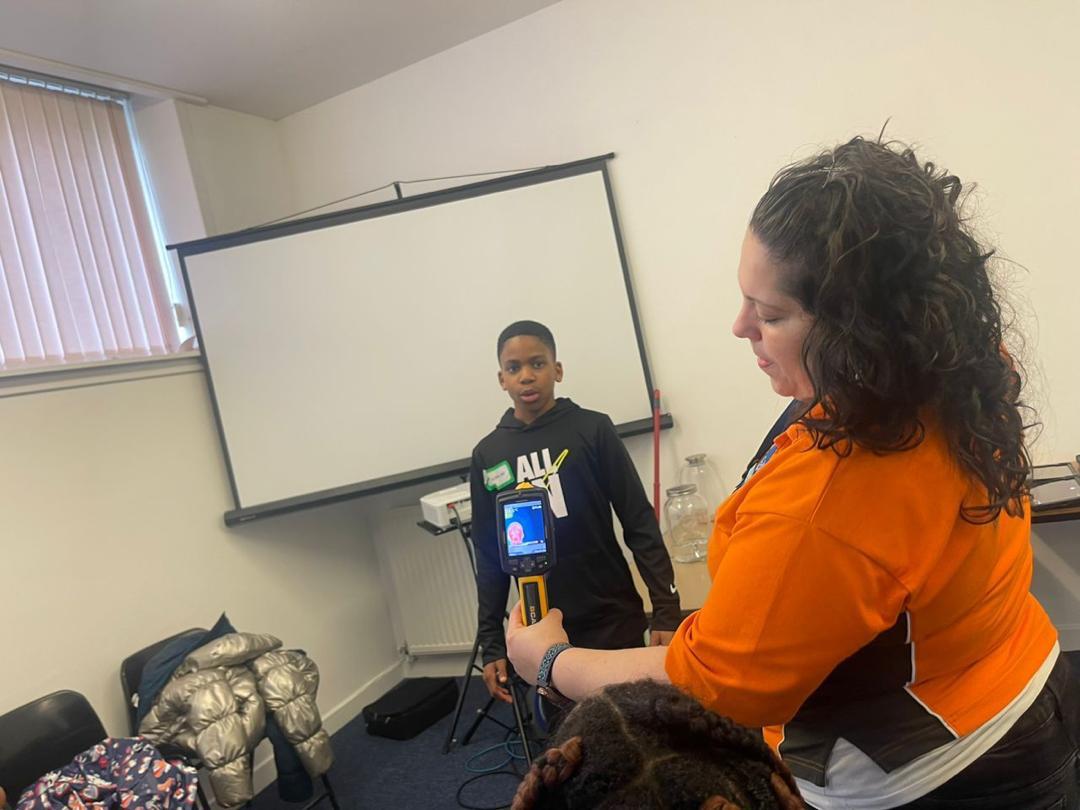
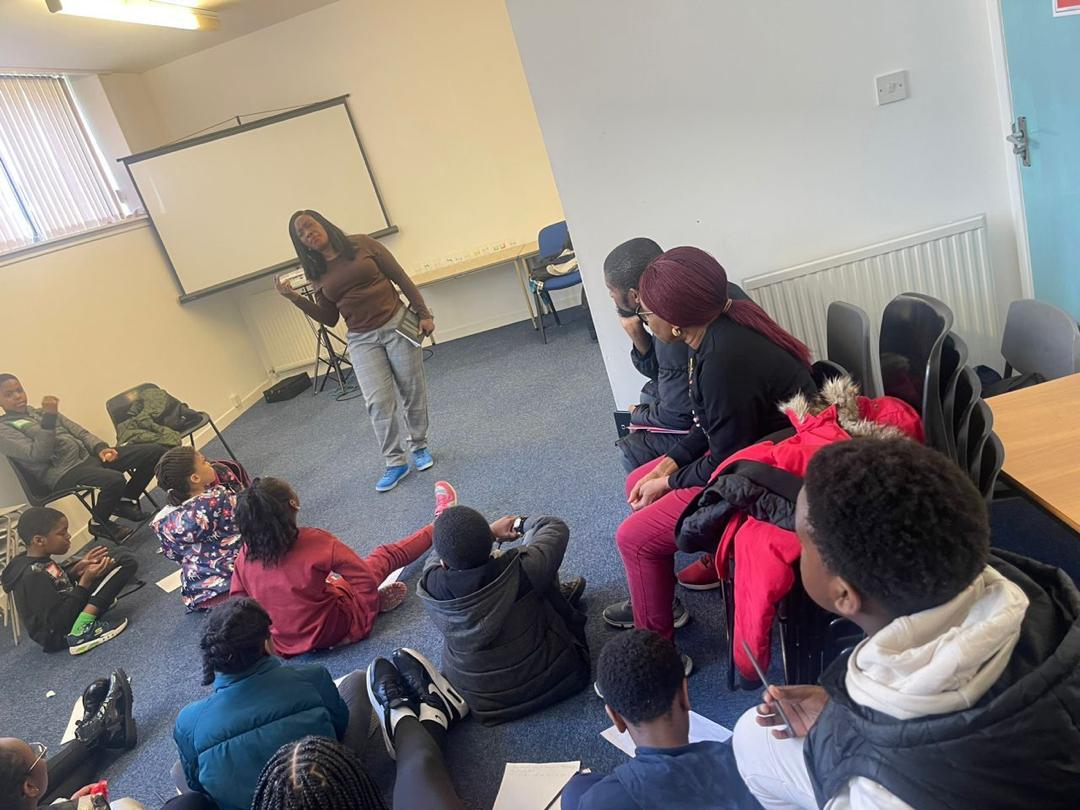
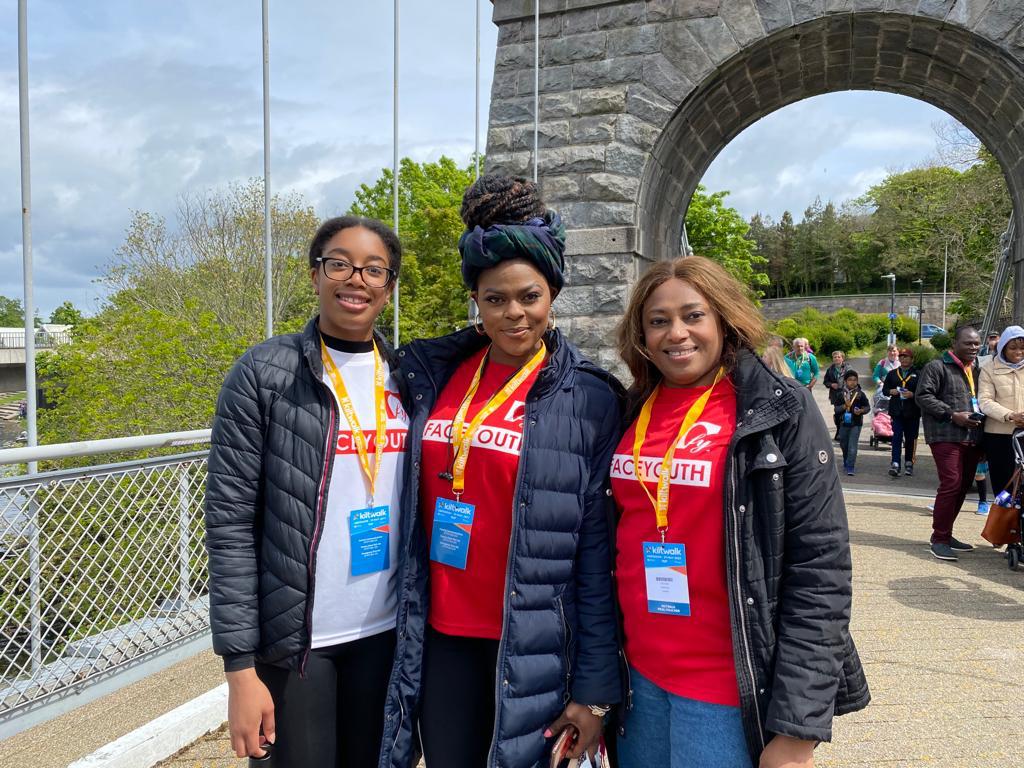
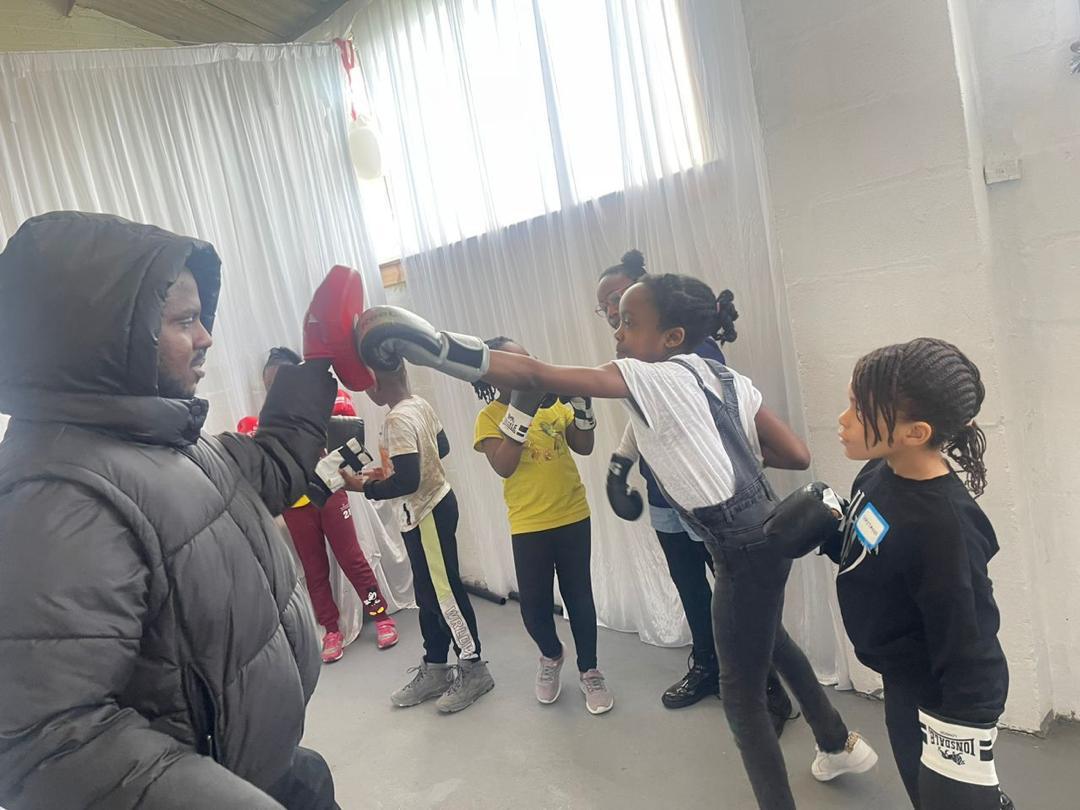
Today, FACEYOUTH supports children and families through mental health and wellbeing programmes, mentoring, educational support, sports/creative arts, skills development, confidence and resilience, youth leadership initiatives, holiday clubs, and safe community spaces.
But beyond the programmes, what we are truly building is belonging.
A place where young people can say:
“I matter.”
“I am not alone.”
“My future is still possible.”
The Hidden Reality of Leadership
People often see the public side of leadership, the awards, recognition, social media posts, or achievements.
What they rarely see are the tears, disappointments, sleepless nights, funding rejections, sacrifices, and moments when you question whether you can continue.
There were seasons I felt emotionally exhausted trying to carry the weight of helping others while navigating my own personal challenges.
But every time I considered giving up, I remembered the children.
The quiet child finally gaining confidence.
The teenager opening up about anxiety.
The parent saying, “Thank you, my child finally feels included.”
The young volunteer discovering leadership potential for the first time.
Those moments remind me why this work matters.
My Greatest Achievement
My greatest achievement is not a job title.
It is not surviving the oilfield.
It is not recognition.
My greatest achievement is knowing that the struggles I once experienced did not make me bitter; they made me compassionate.
They gave me the courage to create the kind of support system I once needed myself.
My story is not a “rags to riches” story.
It is a story about resilience.
About faith.
About purpose.
About community.
About choosing to turn pain into impact.
And if there is one thing I hope young people learn from my journey, it is this:
Your background does not define your future.
Your struggles do not disqualify your dreams.
And sometimes the very thing that almost breaks you becomes the foundation for the life you were called to build.
Looking Ahead
My dream is simple:
A world where no young person feels invisible.
A world where mental health is discussed without shame.
A world where children from every background have equal opportunities to thrive.
A world where community replaces isolation.
At FACEYOUTH, we are working every day to build that future.
And this is only the beginning.
—
Ifunanya (Ify) Anyaegbu
Engineering Manager | Founder, FACEYOUTH SCIO



People from some ethnic minority communities, as well as some marginalized groups, may face additional barriers when seeking help. These can include stigma around mental health, concerns about confidentiality, language barriers, lack of awareness of available services, previous negative experiences with institutions, or simply not feeling understood by someone from a very different cultural background.
The idea that “sometimes talking to someone with a similar background makes one feel at home” is supported by many people’s experiences. Cultural understanding can help someone feel safer, less judged, and more comfortable explaining complex family, religious, migration, or identity-related issues. It doesn’t mean that only someone from the same background can help, but representation and cultural competence can make a significant difference.
At the same time, your observation about silent suffering is important. The absence of calls from certain communities does not necessarily mean there is less need. In some cases, it may mean people are coping alone, relying on family or community networks, or not knowing that services like 111 are available and welcoming to them.
Your experience highlights a broader challenge for healthcare and support services: how to build trust and visibility within diverse communities so that people feel comfortable reaching out before problems become crises.
It sounds like your work has given you a valuable perspective on the gap between need and service use.
Thank you Precious, you have articulated this so well. The absence of calls from some communities does not mean there is no need; sadly, it can indicate silent suffering, stigma or a lack of trust in available services.
This is why representation, cultural understanding and culturally sensitive support matter. Someone does not always need to share your background to help you, but feeling understood can make it much easier to open up.
At FACEYOUTH, we want to help bridge this gap by building trust, raising awareness and encouraging people to seek support early, before they reach crisis point. No one should suffer alone simply because they do not know where to turn or fear being misunderstood. ❤️